Blog

  • The Many Health Benefits of Donating Blood

    By Dr. Dana Myatt

    An estimated 40,000 pints of donor blood are needed each day in the U.S. for patients with cancer, those undergoing orthopedic surgeries, marrow transplants and cardio vascular surgeries, people being treated for inherited blood disorders and those with acute injuries resulting in blood loss. There are other reasons why a blood transfusion might be needed but these are some of the “biggies” that occur every day. The need is always there.

    If you donate blood, you will be a hero and may help save someone’s life. But there’s more to it than you being a “good doobie.”
    Blood donors are rewarded with at least 3 personal health benefits. You read that right. Donating blood is healthy for the donor, not just the recipient.

    Here’s the scoop.

    There are at least three benefits of blood donation:

    1.) You get a Mini Health Screen. They check your blood pressure, pulse and temperature every time you donate. Getting a B.P. check every 3-4 months is a good thing and can alert you to any changes.

    2.) You get free lab testing. There are some tests that blood donation centers perform every time you donate. These are things that are good to know about and things that your doctor is unlikely to order unless there is an obvious reason.

    As part of the donation process, your blood will be screened for any or all of the following:

    On your first visit you will be tested for:

    I.) ABO Typing – provides determination of Blood type: A, B, O, or AB.
    II.) Rh factor Determination – indicates positive or negative Blood type.
    III.) Blood Group Antibodies – indicates unexpected antibodies that may be a result of prior transfusion, pregnancy or other factors.
    And at every visit you will be tested for these minimums:
    I.) Hepatitis B Surface Antigen – indicates a present infection (hepatitis) or carrier state of hepatitis B virus.
    II.) Antibody to Hepatitis B Core – additional test that detects a present or past infection with the hepatitis B virus.
    III.) Antibody to Hepatitis C Virus – indicates antibody to a virus that causes hepatitis C (responsible for non-A non-B hepatitis.) The mean incubation time is six to eight weeks.
    IV.) Antibody to HTLV – 1 and 2 – indicates the antibody to a virus that causes adult T-cell leukemia, among other things.
    V.) Antibody to HIV 1 and 2 – indicates an infection with Human Immune deficiency Virus. (virus that causes AIDs)
    VI.) Syphilis – screens for this venereal disease.
    VII) iron levels. (ferritin, or storage iron, is tested only in young adults)
    VIII.) Hemoglobin and hematocrit (this tells if you have enough red blood cells and iron)
    IX.) Nucleic acid testing (NAT) is a molecular technique for screening blood donations to reduce the risk of transfusion transmitted infections (TTIs) in the recipients, thus providing an additional layer of blood safety
    X.) total cholesterol

    Some donation centers also test for:

    I.) Alanine Aminotransferase (ALT) – identifies a liver enzyme that, when increased, may indicate undetectable forms of hepatitis.
    II.) West Nile Virus
    III.) Chagas disease
    IV.) Zika virus
    V.) Babesiosis – a tick-born virus

    Hepatitis B, Hep C and HTLV can be transmitted without sexual contact, so don’t believe that these tests are only useful for those who practice unprotected sex with multiple partners. In fact, Hep C is an epidemic among Baby Boomers, in part because of previous blood transfusions before donor blood testing was performed and also because older folks are just as likely to practice unprotected sex as younger folks.

    West Nile and Zika are mosquito-transmitted diseases and Chagas disease is transmitted by “kissing bugs.” These “bug transmitted” diseases can be mild or can cause symptoms and problems up to and including death.

    Discussing each of these diseases is beyond the scope of this article but Google them and you’ll see why they are worth knowing about.

    3.) You get to normalize / optimize your storage iron levels (ferritin). The donation center doesn’t check your serum ferritin levels (storage iron) unless you are a young adult. They do evaluate circulating iron in your blood to make sure you are not anemic on the day you donate. Giving blood decreases storage iron and that’s a good thing. Here’s why.

    Ferritin is an iron storage protein that is a measure of body iron stores. High levels (even “high normal” within the normal range) increases free radical production and is highly associated with increased risk of atherosclerosis and peripheral vascular disease.

    Serum ferritin is one of the strongest risk predictors of overall progression of atherosclerosis.(1-10). This is big and because of the evidence, I consider ferritin one of the four most important anti-aging/longevity tests that can be performed.

    The degree to which ferritin will be lowered varies among individuals, so I recommend periodic testing (say, 6 weeks after donation) to help gauge how often to donate.

    On the other hand, if you are anemic without a known reason (you’re not a female of menstrual age, for example), finding this out might save your life. Unseen (occult) bleeding from the colon, for example, can be a sign of polyps or cancer. Unexplained anemia needs to be followed up, and you’ll have benefit of this information more frequently when you are a 3-4 times per year blood donor.

    Wouldn’t it be great to know that you were helping yourself and also helping someone else?

    Bottom line: “Hero points” aside, most people should be donating blood 2-4 times per year for health reasons. You can help save a life while benefitting your own health. There are very few medical “treatments” that offer such a “win-win”!

    Ask your doctor if you are a candidate for donating blood (most people are), then call one of the local blood drives and get yourself signed up. Your “future self” will thank you.

    References:

    1. Alissa EM, Ahmed WH, Al-Ama N, Ferns GA. Relationship between indices of iron status and coronary risk factors including diabetes and the metabolic syndrome in Saudi subjects without overt coronary disease. J Trace Elem Med Biol. 2007;21(4):242-54. Epub 2007 Aug 7

    2. Ahluwalia N, Genoux A, Ferrieres J, Perret B, Carayol M, Drouet L, Ruidavets JB. Iron status is associated with carotid atherosclerotic plaques in middle-aged adults. J Nutr. 2010 Apr;140(4):812-6. Epub 2010 Feb 24.

    3. de Godoy MF, Takakura IT, Machado RD, Grassi LV, Nogueira PR. Serum ferritin and obstructive coronary artery disease: angiographic correlation. Arq Bras Cardiol. 2007 Apr;88(4):430-3.

    4. Depalma RG, Hayes VW, Chow BK, Shamayeva G, May PE, Zacharski LR. Ferritin levels, inflammatory biomarkers, and mortality in peripheral arterial disease: a substudy of the Iron (Fe) and Atherosclerosis Study (FeAST) Trial. J Vasc Surg. 2010 Jun;51(6):1498-503. Epub 2010 Mar 20

    5. Kiechl S, Willeit J, Egger G, Poewe W, Oberhollenzer F.Body iron stores and the risk of carotid atherosclerosis: prospective results from the Bruneck study.Circulation. 1997 Nov 18;96(10):3300-7.

    6. Lee KR, Sweeney G, Kim WY, Kim KK. Serum ferritin is linked with aortic stiffness in apparently healthy Korean women. Crit Pathw Cardiol. 2010 Sep;9(3):160-3

    7. Mainous AG 3rd, Diaz VA. Relation of serum ferritin level to cardiovascular fitness among young men. Am J Cardiol. 2009 Jan 1;103(1):115-8. Epub 2008 Oct 17.

    8. Menke A, Fernández-Real JM, Muntner P, Guallar E. The association of biomarkers of iron status with peripheral arterial disease in US adults. BMC Cardiovasc Disord. 2009 Aug 3;9:34.

    9. Valenti L, Swinkels DW, Burdick L, Dongiovanni P, Tjalsma H, Motta BM, Bertelli C, Fatta E, Bignamini D, Rametta R, Fargion S, Fracanzani AL. Serum ferritin levels are associated with vascular damage in patients with nonalcoholic fatty liver disease. Nutr Metab Cardiovasc Dis. 2011 Aug;21(8):568-75. Epub 2010 Apr 13.

    10. Zacharski LR, Shamayeva G, Chow BK. Effect of controlled reduction of body iron stores on clinical outcomes in peripheral arterial disease. Am Heart J. 2011 Nov;162(5):949-957.
     

  • Is It Really A Healthy Breakfast Food? Maybe Yes, Maybe No…

    People often email us to ask about articles they have read, wanting to know our opinion or sometimes to wanting to challenge us with a contrary opinion.

    One reader recently wrote to ask about an article titled “The 20 Best Things To Eat For Breakfast” which is fairly representative of an awful lot of nutrition articles that circulate the internet.

    This reader proudly announced that he was “rocking” the Greek yoghurt and fruit smoothies and planning to add in “wheat oats” too, and wanted to know what we think of that.

    I’ll share my reply to our reader with you:

    Great to hear that you are working on improving your diet!

    This article, like many, has some pearls of truth and wisdom in it and also some seriously bad advice too.

    You may have noticed that if you start your day with a glass of orange juice and a scone or donut or toast & tea or bowl of oatmeal or a fruit smoothie you have a burst of energy, and then you are likely falling face forward into your desk in fatigue and sleepiness by mid morning.

    That is because those things provide a quick burst of carbohydrates that wears off very quickly, leading to a crashing low blood sugar level, fatigue, crankiness, jitters, and so on.

    In our opinion (which is supported by a very large body of conventional medical research) the first meal of the day should be high protein, high fat, high fiber, and as low in carbohydrates as possible. That will give a much smoother energy release through the morning for better energy and cognition.

    If you look through our website and HealthBeatNews articles you will have seen that we are very much advocates of a low-carbohydrate diet for every reason. Here is one article from last year: http://healthbeatnews.com/are-you-low-carb-very-low-carb-or-ketogenic/

    We are also very much down on sugars in any form: http://healthbeatnews.com/common-food-ingredient-makes-you-stupid/

    And, here is a resource that we direct all of our patients to so that they can look up their foods and plan diets and meals properly: http://nutritiondata.self.com/
    You can enter your age and weight and activity level and get a fairly good idea of your nutritional needs – though their carbohydrate recommendations tend to be on the high side.

    I grabbed the list of the “recommended” breakfast foods from the article you referenced and will put a brief comment with each:

    Oatmeal – very high carbohydrate but does contain some minimal amounts of fiber. In our opinion not a really good deal dietarily and not a great breakfast choice.

    Greek yogurt – fine as long as you are careful to purchase non-flavored / non-sweetened. Check the labels carefully.

    Wheat germ – OK as a garnish.

    Grapefruit – We love grapefruit, but we eat it just as one might eat an orange – just peel it and enjoy the segments – no sugar or sweetening. And, as with everything, moderation is good – a couple of grapefruit a week is probably as much fructose (fruit sugar) as you need.

    Bananas – delicious – and loaded with sugar, very little fiber, and no you cannot get any meaningful amount of potassium from them without eating a boat-load. They are essentially candy.

    Eggs – Ah, what can be said about nature’s most perfect food. Eggs, in any form are wonderful – low-carb, high protein, good fats, and quick and easy to prepare. Perfect for breakfast, lunch, dinner, and snacks.

    Almond butter – wonderful – far healthier than peanut butter which can also harbor aflatoxin – one of the most toxic substances around. The problem with almond butter is that people like to put it on bread or crackers, which are super high-carb / low-nutrition foods.

    Watermelon – Not good, not bad. If you love it then enjoy it in moderation. Surprisingly high in sugar.

    Flaxseed – Wonderful! Please try our flax bread recipe – 4 ingredients, cooks in a microwave in 3 minutes, and tastes great – a perfect substitute to any wheat-based bread. http://drmyattswellnessclub.com/MyattBreadRecipe1.htm

    Blueberries – A healthy and delightful garnish – read the labels as many frozen brands have sugar added. Fresh blueberries are a wonderful treat!

    Strawberries – fresh strawberries are delightful and one or two in a whey protein shake (smoothie) are a great addition – but again, as with all fruit they can be high in sugar so moderation is your friend.

    Coffee – Ah… the world runs on coffee… and it is surprisingly a very healthy beverage. Many people obtain their largest portion of daily antioxidants and some other trace nutrients from their coffee intake. Never feel guilty about having another cup of coffee! But avoid those flavored creamers – read the labels and note that most are full of sugar, often in the form of high-fructose corn syrup. Try real ‘Heavy Cream’ or ‘Whipping Cream’ instead for a nice treat.

    Tea – see above – all the comments for coffee apply to tea as well, for those that prefer tea.

    Cantaloupe – See the comments for watermelon.

    Kiwi – see the comments for strawberry.

    Orange juiceEwww… Ick! Avoid this slop like the plague! An occasional small serving of truly fresh-squeezed OJ is OK, but the store-bought, processed, “fortified” stuff is mostly sugar-water. You might as well drink soda-pop!

    A further strike against OJ is a study linking it to skin cancer: http://ascopubs.org/doi/abs/10.1200/JCO.2014.57.4111
    Now to be fair, this is correlation, not causation, and the NHS (British National Health Service) has a discussion about it: https://www.nhs.uk/news/cancer/orange-juice-and-grapefruit-linked-to-melanoma-skin-cancer/

    Cranberry juice – most store-bought cranberry juice you will encounter is, like OJ, mostly flavored sugar water.

    Cereal – No, never. Ever. Not. Under no circumstances. Almost all cereals are high carbohydrate, low fiber, and generally devoid of any redeeming health value, no matter what the advertising says. Read the nutrition label and take note of the carbohydrate content.

    Raspberries – delightful – see the comments for strawberries.

    Whole-wheat bread – No, never. Ever. Not. Well, OK – maybe a small bit as a treat sometimes, but I do so knowing why it is bad for me: http://drmyattswellnessclub.com/GliadinCasein.html

    And one bonus – the article author spoke glowingly about pouring skim milk on that bowl of breakfast cereal with fruit… and our reply to skim milk is: No, never. Ever. Not. Skim milk is mostly just white colored sugar-water, with most of the valuable parts of milk removed. If you must drink milk, please drink whole milk without the cream removed. And review the article above to see some of the problems with cows-milk.

    Oh, and soy-milk? Again, No, never. Ever. Not. Soy is estrogenic. Estrogen is mostly a female hormone and not a good thing for us fellows to have too much of (can you say “man-boobs”?). Almond milk? Maybe – check the label and make sure it hasn’t had a bunch of sugar added to it.

    So there you have it – the good, the bad, and the ugly of someone else’s list of recommended breakfast foods.

    We say, do you like steak and eggs for breakfast? Have at it – just hold the bread and potatoes!

    A quick scrambled eggs or a cheese omelet? Excellent choice! Dice up a few bits of ham, throw in a few chopped onion bits, and you have a great breakfast in just minutes.

    Looking for something quick and easy like a smoothie that you can “grab ‘n’ go”? Try our “Super Shake” for a quick, easy, and healthy breakfast drink that you can take with you on your morning commute.

    Please note that the Maxi Fiber we refer to is currently unavailable but you can substitute Psyllium for a healthy blast of fiber.

    There is an old saying: “Eat breakfast like a king, lunch like a prince, and supper like a pauper.”

  • 12 Low Carb, Low Calorie Food Choices

    By Dr. Dana Myatt


    If you’re trying to lose body fat, you’ve got a lot of company. With approximately 2/3 of adults in the U.S. are overweight and 1/3 seriously overweight, every other person and their dog is on some kind of weight loss diet.

    Studies have shown that both low calorie and low carbohydrate diets are effective for weight (fat) loss, although low carb has some benefits over low calorie. But…. “whatever works.”

    To that end, may I offer you 19 foods that are both low carb AND low cal so that whatever path you follow for fat loss, you’ll have some “free” foods to keep your mouth entertained and your stomach happy.

    Because these foods are vegetables that many people find uninteresting, I have included several of my “go-to” recipes and serving suggestions for your dining pleasure.

    1.) pickles/cucumbers – just a plain ol’ pickle or cucumber can take the edge off hunger. Homemade pickles can be an excellent source of probiotics and are easy to make.

    2.) cauliflower – my favorite substitute for mashed potatoes, cauli is far lower in calories and carbs and much higher in diindolemethanes (anti-cancer substances).
    Use them as a substitute for mashed potatoes or rice.  Cauli-Tatoes are easy:  http://drmyattswellnessclub.com/CauliTatoes.html
    This Zuppa Toscana soup is better than Olive Garden’s recipe but WAY healthier http://drmyattswellnessclub.com/Zuppa.html

    3.) “greens” (spinach, collard, beet, mustard, turnip). Have you ever tried saag at an East Indian restaurant? Serious yum. Here’s my recipe and you can mix and match the greens you use based on availability.

    SAAG (East Indian style greens)

    ginger/garlic (50:50) – 3 TBS.
    onion – 3 ounces
    butter – 1 tsp.
    “greens” (any combo) – 12 ounces
    tomato paste – 3 TBS
    coriander/cumin (50:50) – 2 TBS
    cottage cheese – 2 ounces

    Saute garlic and ginger in butter. Add onion and continue to sautee. Add water as needed until everything is soft. Add greens and put lid on until greens are wilted. You can also use frozen spinach or other but cook this in the microwave and drain first before adding. Add tomato paste and coriander/cumin and let it all reduce. Add water as needed.

    When reduced, add cottage and blend in blender or with a stick blender until desired consistency is reached. I like mine creamy smooth but some prefer this dish a bit chunky. Return to pan to heat. Finish with a squeeze of lemon.

    4.) lettuce (all kinds): salad (duh) but also use as “wraps” for roll-ups with any veggie, meat, cheese, whatever. Also makes a handy “taco shell.”

    5.) bamboo shoots: I use this in my quick hot and sour Chinese soup. Mushrooms and/or mung beans can be added to this at your discretion.

    Hot and Sour Soup (on the fly).

    one cup chicken or beef broth.
    1-2 tsp apple cider vinegar
    one dash tobacco or sriacha.
    Add bamboo shoots, mushrooms, mung beans if desired.

    Combine all ingredients in a mug, heat for 1-1 ½ minutes in microwave oven and enjoy.

    6.) summer squash (yellow squash, zucchini): try “Zoodles,” noodles made with summer squash. I like these in chicken soup or with a marinara sauce. Use them in place of noodles in a Chinese lo mein.

    7.) celery: use with any dip, stuff with almond or other nut butter or just snack on ‘em plain.

    8.) radish: the flavor isn’t everyone’s cup of tea but if you like them, snack on.

    9.) mushrooms: can be added to salads, soups, casseroles, omelets. Pickled mushrooms make a good snack (more probiotics). Mushrooms can be stuffed with almost anything and they make a delicious appetizer.

    10.) asparagus

    11.) mung beans

    12.) turnips: people eat turnips cooked and mashed like they eat mashed potatoes. A good other choice but cauli-tatoes are still my fave.

  • Vitamins = Expensive Urine?

    By Dr. Dana Myatt

    If I hear or read this one more time, I’m going to ….. go take some additional magnesium to calm down.

    The conventional press and most conventional doctors (who receive post-grad education from drug companies) keep saying that all vitamins do is make expensive urine.

    What do they think? That saying it over and over will make it true? Kind of like saying the Earth is flat a million times will make it flat?

    The bulk of scientific evidence points to the positive value of nutritional supplements on health, not just urine.  I’ve written about this many times before and I hate to beat a dead horse. You can refresh your memory here:  “Vitamins a Waste” — Fake News or Fact? and Do Vitamins Really Make Any Difference?

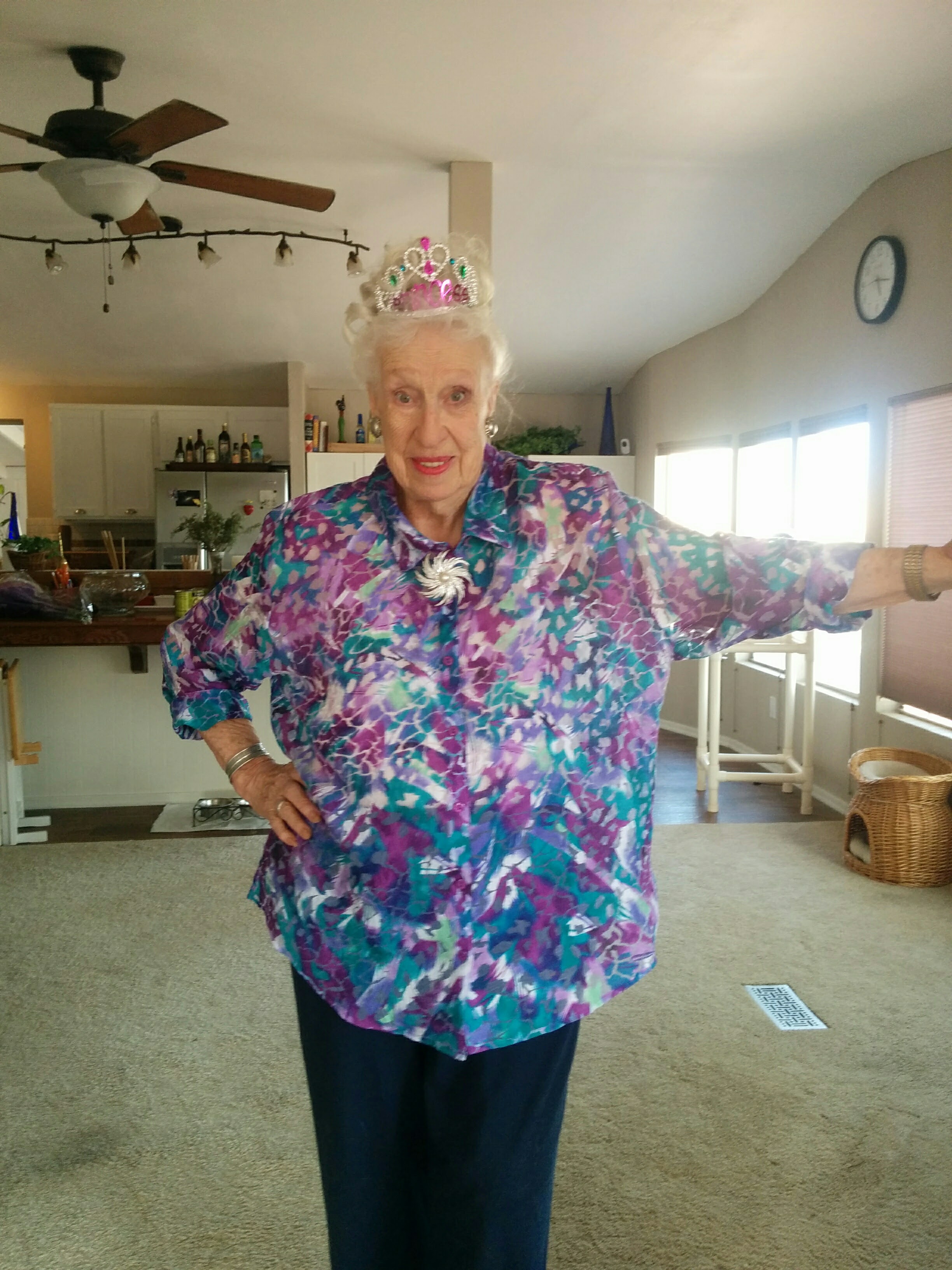
    Mom on her 95th birthday - the Princess of the party!
    Mom on her 95th birthday – the Princess of the party!

    So let’s talk about “expensive urine” from a different perspective, a funny but true story to illustrate. This one is close to home. Literally.

    My Mom is 95 and she lives with us. Five years ago, when Mom was living independently with Dad, she went to her conventional doc for a routine check-up. It’s always a good idea to keep an “insurance doc” on the hook in case of emergency and for things that are best-served by the conventional side. I’m a big proponent of having a local doc who can write prescriptions and perform tests, hospital admissions, etc.

    And you don’t want to just show up on their doorstep the first time you need them, hence the value of a routine exam. Then they will know who you are, at least a little. Plus you will have an established medical chart with your insurance connections in place. This is all good.

    I encourage having a local conventional general doctor and this is the reason Mom was in for an exam. She did not have any complaints. Well, OK, maybe her low back. She’s been complaining of that for the last 50 years that I recall and nothing is wrong that can be fixed with surgery, drugs, manipulation, etc. With additional low back stretches, she feels much better. But I digress.

    Mom was in good health. The doctor didn’t know this yet. Test results take a week. All he knew was that her blood pressure was enviable for a 40 year old much less a 90 year old, her heart sounded good, her pulse was normal and she was nearly 80 pounds overweight.

    The doc asked her what medications she was taking. Mom told him “none.” He didn’t believe this. After all, she was 90. It would be downright un-American to be 90 and not on at least two or three medications, especially for blood pressure. So he asked her again what she was taking. She told him that her daughter,  a naturopathic doctor, had her on vitamins. She recited her list.  A multiple (9 caps per day, not one), digestive enzymes, fish oil, extra magnesium and melatonin at bedtime.

    “That’s all I take” she assured him. He chuckled and said, “All that does is give you expensive urine.” Then he scolded her for being overweight, suggested she go on a diet (but didn’t give any instructions on how to do this) and told her to come back next week for results.

    The next week, Mom went for follow-up. Her test results showed normal cholesterol, borderline high-normal blood sugars, no evidence of osteoporosis and nothing else wrong. Nothing. Nada.

    “Well, even though you need to lose weight, you are in otherwise really good health” the doctor grudgingly acknowledged. To which Mom replied, “Maybe it’s all that expensive urine”!

    Mom has been living with us for nearly two years since Dad passed. She has lost 80 pounds. Her fasting blood sugars are as right as rain now. Her B.P. is 130/80, no drugs. Her new local doc still can’t find anything wrong, although he did want to do a bone density test. (Why? “Because we can and insurance will pay”). I told him that we’d already done a bone density test at home. “How did you do that?” he wanted to know. “Well, Mom has fallen a couple of times and injured nothing but her ego.” (Note: she hasn’t taken a tumble in a looooong time since we started exercising, by the way).

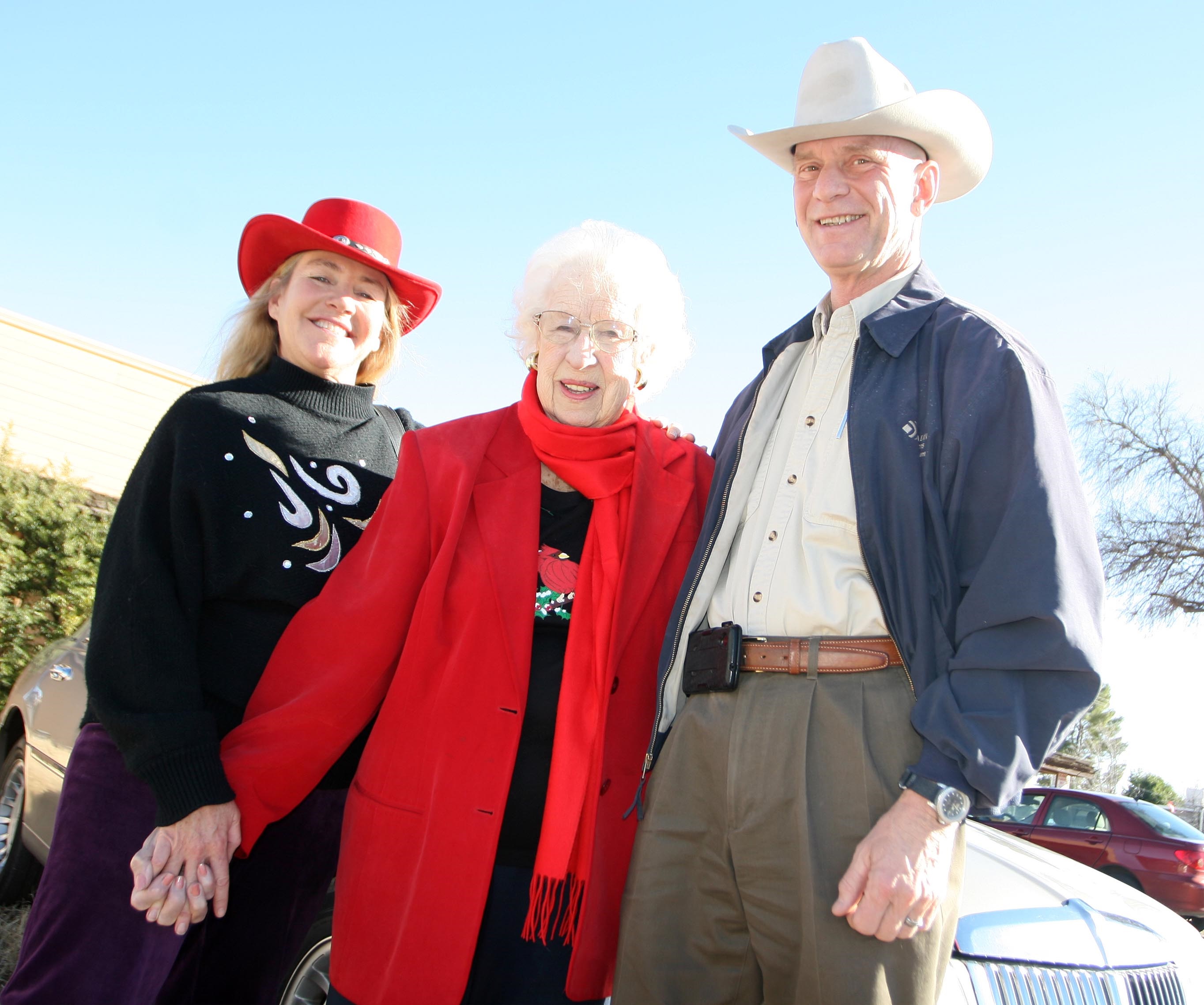
    Dr. Myatt, Mom Flo Wishmeyer, and Nurse Mark delivering Meals On Wheels – this picture appeared on the front page of our local newspaper.

    She and I walk a half mile 3-5 times per week. Mom calls it “The Green Mile.” (Look up the Tom Hanks movie by the same name if you don’t get the joke).

    The three of us deliver Meals on Wheels once a week which requires walking and getting in and out of the car frequently.

    We entertain (tonight is movie night in our hangar), give parties, go to parties and generally enjoy life as much as possible. In fact we’re planning Mom’s 96th b-day party coming up next month.

    Oh yes, and we still take our vitamins. I’ve seen the research (my eyeballs are in it most of the day) and I’m hedging my bet that I, too, can live well into my 90’s. After all, I’ve got good genetics and “expensive urine”! 😀

  • Your Good Night’s Sleep Checklist

    Why Sleep is “Essential” (what happens during sleep)


     How much sleep do you need?

     What things interfere with good sleep? (how to have a good night’s sleep)


     Like breathing, sleep is an “essential” human requirement. “Essential” means that your body must have it and you would die without it.

    How long can a person go without sleep before death ensues? The jury is still out on this. But death isn’t the biggest problem of sleep deprivation because the body will eventually take “microsleeps.”  Microsleep refers to brief moments of sleep that occur when you’re normally awake.

    You can’t control microsleep, and you might not even be aware of it. For example, have you ever driven somewhere and then not remembered part of the trip? If so, you may have experienced microsleep.

    Even if you’re not driving, microsleep can affect how you function. If you’re listening to a lecture for example, you might miss some of the information or feel like you don’t understand the point. In reality though you may have slept through part of the lecture and not been aware of it.

    Exactly how long a person can go without sleep isn’t fully known, but we do know that extreme sleep deprivation causes hallucinations, automobile accidents, job injuries and memory impairment.

     Why does your body need sleep?


    Researchers have found that the brain clears out waste material accumulated throughout the day as we sleep at night. During sleep, neurons temporarily shrink and allow for more cerebrospinal fluid to wash over our brains, carrying away toxins and waste. In other words, sleep is when our brains clean out daytime garbage.

    A research team from University of Rochester Medical Center (URMC), write about their findings in the journal Science.

    “This study shows that the brain has different functional states when asleep and when awake,” said U of R researcher Maiken Nedergaard. “In fact, the restorative nature of sleep appears to be the result of the active clearance of the by-products of neural activity that accumulate during wakefulness.”

    Some of the debris cleared from the brain during sleep includes beta amyloid, a harmful protein that accumulates in the brain and may be the cause of Alzheimer’s.

    A “clean sleep” results in a more complete clearing of waste proteins from the brain, but “dirty sleep” has the opposite effect.

    So, in addition to many other necessities of sleep — physical restoration and healing of muscles, endocrine (hormonal) balancing, R.E.M. or “dream sleep” for mental health — the brain needs sleep in order to take out the trash.

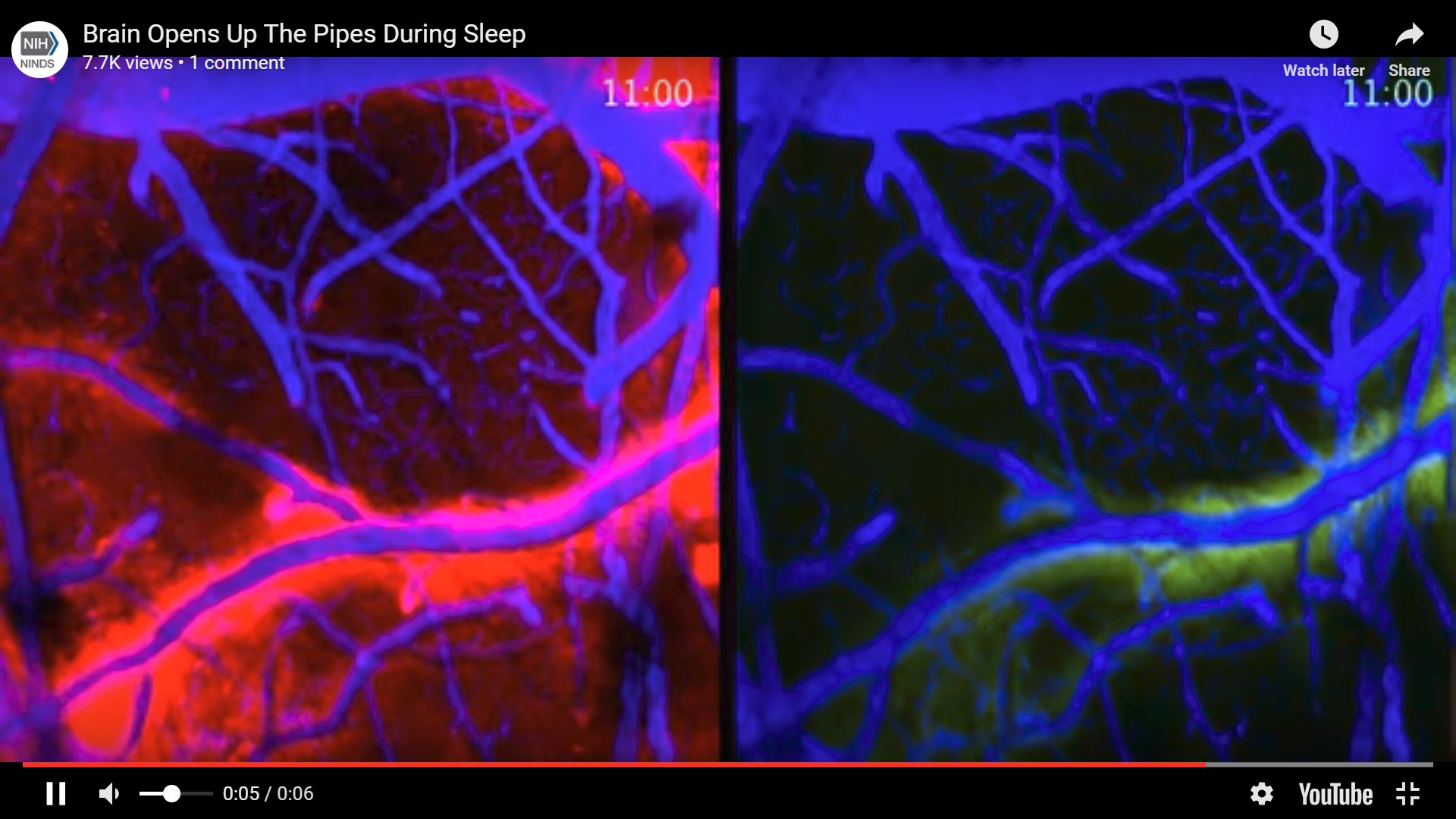
    brain cleans at night
    These amazing images show what the brain does at night (left is sleep, clearing things out, right is daytime).

    Are You Getting Enough “Good” Sleep?


    “Dirty sleep” happens when we fail to get enough sleep, or fail to get sufficient deep sleep. Fortunately, most of the causes of poor sleep are within an individual’s control.

    [Caution: Dr. Myatt “micro rant” ahead.]
    So, you’re not getting enough sleep or enough good sleep? Here’s a tip. The problem is NOT caused by a sleeping pill deficiency. Most of these drugs have dangerous side effects and do NOT target the cause of poor sleep. Don’t just “drug” the problem, work my check list and correct sleep problems at the cause level. This is effective, cheap, and most importantly, safe.
    [END OF RANT]

    Good Sleep Checklist


    Work the list. This is what a good physician would do for you / with you before prescribing dangerous sleep medications.

    1.) Bedtime/wake time. The body manufactures melatonin before and during sleep unless light interferes with its production. Melatonin functions as an antioxidant in the brain and central nervous system and its production begins as the setting of the sun stimulates the pineal gland. This normally occurs in most people around 9:00 PM, with sleep usually occurring around an hour later by 10:00 PM. Solution? Set a regular bedtime, and stick with it.

    2.) Beware of light after sundown. The pineal gland, a tiny gland deep in our brains that is connected to the eyes, is responsible for producing the sleep and antioxidant hormone melatonin. It begins to churn our this important substance in response to the ”dimming of the lights” as the sun sets. If the light doesn’t dim, the pineal gland doesn’t know to produce melatonin. And, once the light does dim and it begins its work any amount of white light promptly shuts it off – by making it think it is dawn.

    The warm glow of a campfire has long meant comfort, safety, and sleep to we humans
    The warm glow of a campfire has long meant comfort, safety, and sleep to we humans

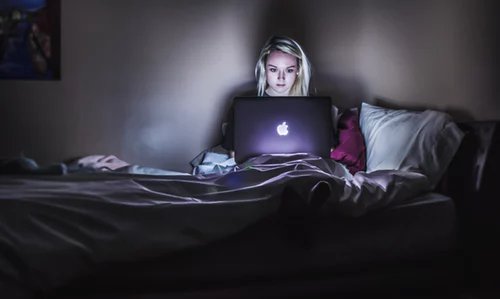
    Since humans evolved over millions of years sleeping in the safety of the flickering subdued orange light of a cozy fire, we tolerate low levels of this color of light after dark. But exposure to white light or, more specifically, light that contains specific frequencies of blue light – like daylight or televisions, or computer monitors, or full-spectrum light bulbs–  during the hours before bedtime will seriously disrupt melatonin production, making natural sleep very difficult.

    Sunrise, with its bright, blue light signals our bodies to awaken
    Sunrise, with its bright, blue light signals our bodies to awaken

    Solution? When the sun goes down you need to start lowering the light levels in your environment as well – not an easy task in our modern world, but possible if you remember that it is the harsher blue-white lights that disrupt melatonin production. Try candle light or soft (warm) incandescent lights, limit your TV watching  for the hour or so before bed, and limit exposure to bright phone, tablet, and computer screens before bed.

    If you must get up at night try to avoid turning on bright lights – consider using low-wattage incandescent nightlights.

    3.) Eliminate other nighttime light hazards. Related to white light in the evening is the twinkling of myriad electrical and electronic devices that seem to litter our sleep spaces. Little red lights, green lights, blue lights, all glowing and twinkling and blinking… Not only are the lights distracting, many of these devices also emit occasional noises – beeps, chirps, hums, whirs…

    The solution? Do yourself a favor and banish all the electronics from your sleep space. Unless you are a surgeon on call, or have some equally important reason  to receive calls after bedtime, turn the phone off. Shut the tablet and computer down for the night.

    Many people also believe that there may be a sleep-disturbing effect from all the EMF (electromagnetic fields) created by these devices in proximity to your sleep area, another good reason to nix the electronics.

    4.) What you eat and drink in the evening matters. That nice sweet dessert may help you feel satisfied and sleepy when it raises your blood sugar, but when your blood sugar crashes a few hours later and your body responds with a shot of adrenalin you are going to find yourself wide awake with the jitters. Look for that “wide awake” feeling between 2-4 a.m. – sound familiar?

    Try a little snack bite of protein instead, if you really must have a before bed snack.

    5.) What you see before you sleep matters too.  Upsetting or stressful imagery  immediately before sleep can be unsettling and make it difficult to get to sleep, and can give your brain plenty of unpleasant material to craft its dreams from. The 10:00 news with horrific images of war-torn countries, or crime shows with nasty people doing ugly things to each other, or zombie horror shows dripping with gore…  are these really the sights that you want to try to fall asleep to?

    This is NOT the way to "read yourself to sleep"!
    This is NOT the way to “read yourself to sleep”!

    A better bet might be something uplifting or soothing. Pleasant short stories, or poetry, or spiritual reading or meditation. And remember, like I said in point 2, that TV screen, with its bright light, is preventing the normal production of melatonin. Ever hear of an old fashioned thing called a “book”? Try some good reading an hour before bedtime. But remember, “book” refers to old-school ink-on-paper pages – not your Kindle reader with its bright sleep-inhibiting screen!

    6.) Oversleeping. Those who insist on sleeping in late in the morning are setting themselves up to seriously disturb their circadian rhythms. Further, late waking combined with daytime napping can leave you feeling wakeful in the evening, and wanting to stay up beyond a healthy bedtime. It can easily become a vicious circle.

    So, you are retired with not much to do and feel like there is no reason to get up in the morning? Make a reason! Get up and get moving – the physical activity throughout the day will also contribute better sleep at night.

    7.) Drugs and medications: Many prescription drugs can cause insomnia and poor sleep. Here are some of the more common offenders:

    Alpha-blockers
    Beta-blockers
    Corticosteroids
    SSRI antidepressants
    ACE inhibitors
    ARBs (Angiotensin II-receptor blockers)
    Cholinesterase inhibitors
    Antihistamines and H1 antagonists
    Glucosamine/chondroitin (if taken late in the day)
    Statins (cholesterol drugs)

    Non-prescription drugs can do the same. And recreational drugs can too: even alcohol can cause problems – in smaller amounts alcohol has a stimulating effect and more than a few drinks, while sedating for sure, can cause rebound insomnia when the effect wears off. A pre-dinner drink? Sounds good. A glass of wine with dinner? Also good. A few drinks “to put you to sleep”? Not so good…

    8.) Sleep medications: You really aren’t taking a sleeping pill are you? If you are then you obviously haven’t read our previous HealthBeat News articles describing the dangers of sleeping pills . Do yourself a favor and drop the sleeping pills. Many of them are downright deadly. Even the so-called “lightweight” over-the-counter sleep aids containing anti-histamines are associated with some serious side effects and they really don’t produce improved sleep.

    9.) Muscle cramps at night can disturb sleep.  Something as simple as some extra magnesium can prevent cramps and can be relaxing overall. Magnesium oil, actually a thick brine of magnesium salts, can provide nearly instant relief for many muscle cramps when rubbed over the affected area.

    Other causes of sleep disturbance:


    10.) Caffeine or nicotine too close to bedtime. Both of these common “drugs” increase alertness. Discontinue them several hours before bedtime.

    11.) Lack of exercise. Humans are made to move. It your idea of daily exercise is walking from the couch to the refrigerator, it time to re-think. Aim for twenty to thirty minutes of exercise daily. Your sleep, weight and overall health will be better for it. BUT, do not do strenuous exercise within an hour of bedtime because exercise is stimulating/energizing in the short-term.

    12.) Get to a normal weight. It’s not entirely clear why, but overweight and obese people have a higher likelihood of sleep disorder. It might be because sleep difficulties like sleep apnea are more common in the obese.
    [Dr. Myatt’s note: it might also be because the same eating behaviors that make a person fat — typically high carb diets — are the same factors that cause blood sugar to drop precipitously between the hours of 2-4 a.m. See point 4 above. ]

    Here’s the “Fix my Sleep” Checklist


    1.) Bedtime: pick a time and stick to it. 9-10 p.m. is best because of melatonin production. Get up at the same time every day. Start lowering the light and eliminating blue light an hour before bedtime.

    2.) Exercise during the day.

    3.) Stop eating 3 hours before bedtime. If you do have a snack, make it a high protein snack like a cup of hot chocolate whey protein,  not something high carb.

    4.)  Take melatonin within an hour of bedtime. If you are melatonin deficient, this will help you sleep. But even if low melatonin is NOT the cause of your insomnia, it is the only antioxidant the crosses the blood-brain barrier and helps keep the brain healthy. I recommend it, sleep problems or not.

    5.) Take Magnesium Glycinate within an hour of bedtime (along with melatonin). In a double-blind randomized clinical trial of 46 elderly subjects, the group that received 500 mg of magnesium daily for 8 weeks showed significantly improved quality of sleep.

    What NOT To Do for Insomnia


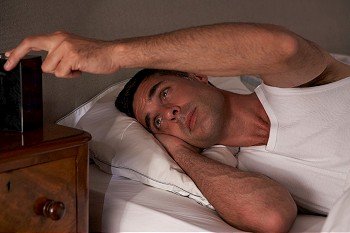
    Don’t keep looking at the clock. It doesn’t help. AND, studies show that people who keep “clock checking” actually over-estimate the amount of time they are awake. This anxiety over sleep loss only adds to the problem.

    Will watching that clock really make you feel better?
    Will watching that clock really make you feel better?

    Don’t get up and go to Denny’s. (Seriously, I heard this from someone. I couldn’t make stuff like this up). So… bright lights, loud sounds and food are going to help you sleep? Give your head a shake and call me if anything sounds loose in there. The right idea when you are awake at night is to do something relaxing, not something that makes you more awake. Get up and by old-school incandescent light read a relaxing novel. This will take your mind off worries or concerns. Or listen to relaxing music. Or practice meditation, guided relaxation or self-hypnosis. Any of these might put you back to sleep. Even if they do not put you to sleep, the relaxed state still functions to some degree like sleep.

    Don’t make it bigger than it is. Sometimes, the best cure for a bad night’s sleep is to go about your day (exercise, good eating, etc.) and try it again tomorrow night. Just like “hunger makes a great sauce,” so missing some sleep for a night or two can contribute to a good night’s sleep in the subsequent nights.

    Dump the Junk!
    Dump the Junk!

    There you have it – the tips and information you need to get a good night sleep that will allow your brain to “put out the trash!”


    References and further reading:


    Kenji Obayashi  Keigo Saeki  Norio Kurumatani. Bedroom Light Exposure at Night and the Incidence of Depressive Symptoms: A Longitudinal Study of the HEIJO-KYO Cohort. American Journal of Epidemiology, Volume 187, Issue 3, 1 March 2018, Pages 427–434, https://doi.org/10.1093/aje/kwx290

    Levenson JC, Kay DB, Buysse DJ. The Pathophysiology of Insomnia. Chest. 2015;147(4):1179-1192. doi:10.1378/chest.14-1617.

    Insomnia: Relaxation techniques and sleeping habits. U.S. National Library of Medicine. https://www.ncbi.nlm.nih.gov/pubmedhealth/PMH0072504/

    Abbasi B1, Kimiagar M, Sadeghniiat K, Shirazi MM, Hedayati M, Rashidkhani B.. The effect of magnesium supplementation on primary insomnia in elderly: A double-blind placebo-controlled clinical trial. J Res Med Sci. 2012 Dec;17(12):1161-9.

    Fiorentino L, Martin JL. Awake at 4 a.m.: Treatment of Insomnia With Early Morning Awakenings Among Older Adults. Journal of Clinical Psychology. 2010;66(11):1161-1174. doi:10.1002/jclp.20734.

    N Buscemi, B Vandermeer, R Pandya, N Hooton, L Tjosvold, and L Hartling. Melatonin for treatment of sleep disorders. Database of Abstracts of Reviews of Effects (DARE): Quality-assessed Reviews [Internet].

    Trouble sleeping? Experts say skip antihistamines. Baylor College of Medicine https://www.bcm.edu/news/sleep-disorders/experts-warn-against-antihistmaines-sleep-aid

    Sleep Drives Metabolite Clearance from the Adult Brain Lulu Xie et. al.,Science  18 Oct 2013:, Vol. 342, Issue 6156, pp. 373-377, DOI: 10.1126/science.1241224 http://science.sciencemag.org/content/342/6156/373.long

    10 Types of Meds That Can Cause Insomnia, AARP http://www.aarp.org/health/drugs-supplements/info-04-2013/medications-that-can-cause-insomnia.html